


The Show Didn’t Stop, But No One Named the Man Who Saved It
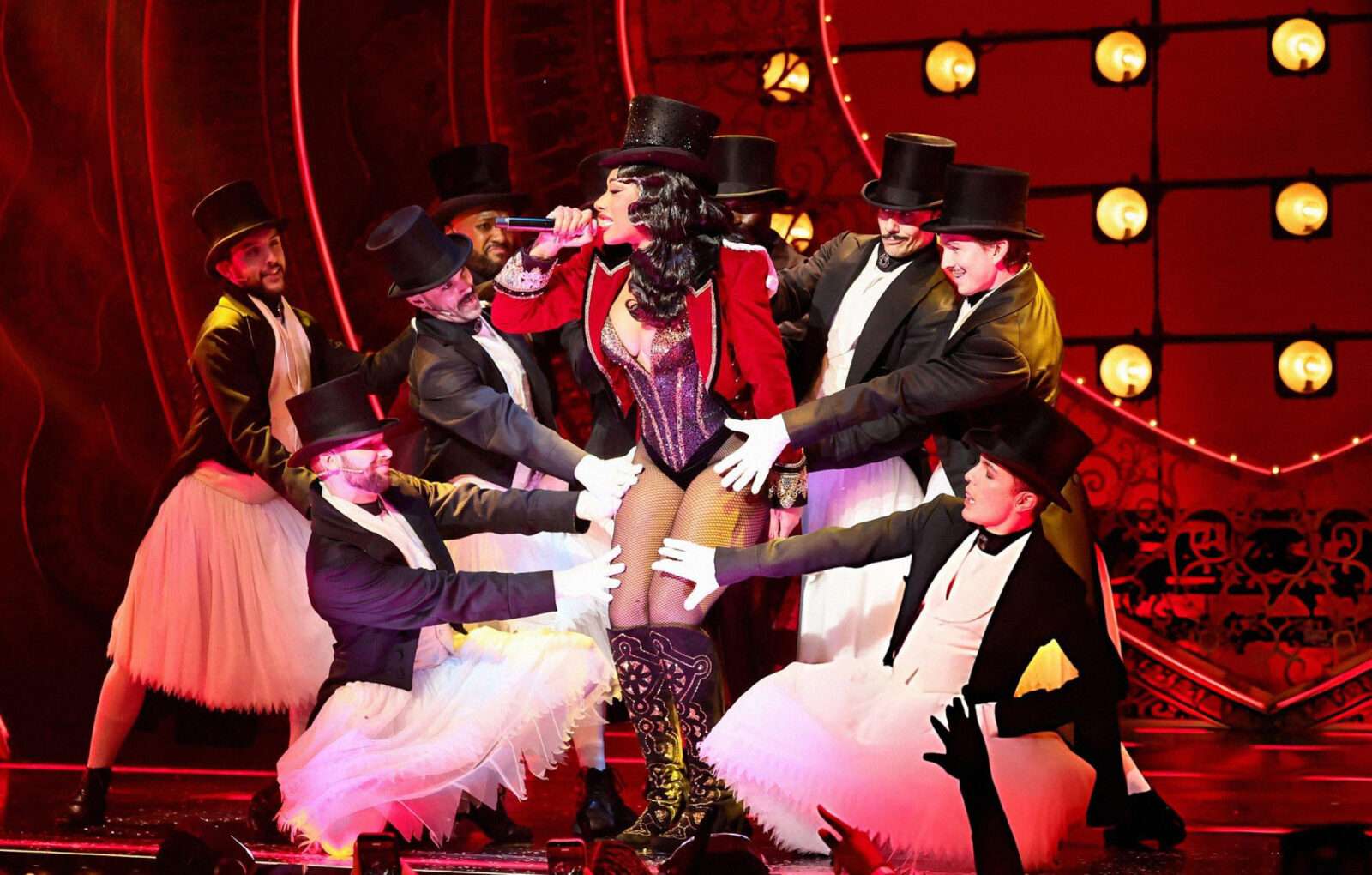
Eight days into her Broadway debut as Harold Zidler in Moulin Rouge! The Musical, Megan Thee Stallion fell ill mid‐performance and was rushed to a local hospital. Doctors later cited extreme exhaustion and dehydration. In a social media update the following morning, she acknowledged pushing herself beyond her limits. “My body finally said enough,” she wrote.
The show continued.
A man walked onstage and finished the performance. He was trained, prepared for the moment — and largely absent from the story that followed.
Variety, the Associated Press, NBC News and The Hollywood Reporter all reported the same detail: an understudy stepped in, and the show went on. Only Playbill, the theater industry’s trade publication, identified him by name.
This omission is not unusual. Creative industries rely on it. The photographer without a credit line. The ghostwriter thanked nowhere. The session musician whose melody you recognize instantly, even as their name escapes you. The understudy is theater’s clearest expression of that pattern — essential to performance, rarely credited for it.
Understudies make up roughly a quarter of a Broadway cast. In many productions, as many performers wait backstage as appear onstage. Musicals depend on “swings,” performers who learn multiple tracks and remain on call. Some cover 10 roles. Some more.
They prepare performances that may never come.
That preparation requires mastering choreography, vocals, blocking and dialogue for multiple characters — often with less rehearsal time than principal actors and no guarantee of performing before a paying audience. When the moment does arrive, it usually does so without advance notice, publicity or acknowledgment.
Labor agreements have begun to reflect this reality, if unevenly. In late 2025, Actors’ Equity Association secured a modest base increase for performers and a larger adjustment tied specifically to swing responsibilities. Britain’s Equity union has argued for more.
These are not bonuses. They are overdue corrections.

Megan Thee Stallion’s casting remains historic. She is the first woman to play Harold Zidler in any Moulin Rouge! production worldwide, joining a lineage that includes Danny Burstein, Boy George, Wayne Brady, Tituss Burgess and Bob the Drag Queen. Her presence on Broadway is widely understood as an expansion of who is seen as belonging on that stage.
But expansion is sustained by infrastructure.
The person who stepped into that moment — onto that stage, before a thousand ticket buyers who did not come to see him — did so professionally and without hesitation. Most outlets never printed his name.
It is Patrick Clanton.
Knowing that does not diminish Megan Thee Stallion’s achievement. It completes the story. Broadway, like all performance, survives not on star power alone, but on people trained to be ready when the spotlight unexpectedly finds them.
What's Your Reaction?